Tracing Loyalty Tier Adjustments to Free Spin Validity Windows Across UK Mobile Payment Ecosystems
Written by Jakob Reed · Oct 9, 2026
Tracing Loyalty Tier Adjustments to Free Spin Validity Windows Across UK Mobile Payment Ecosystems
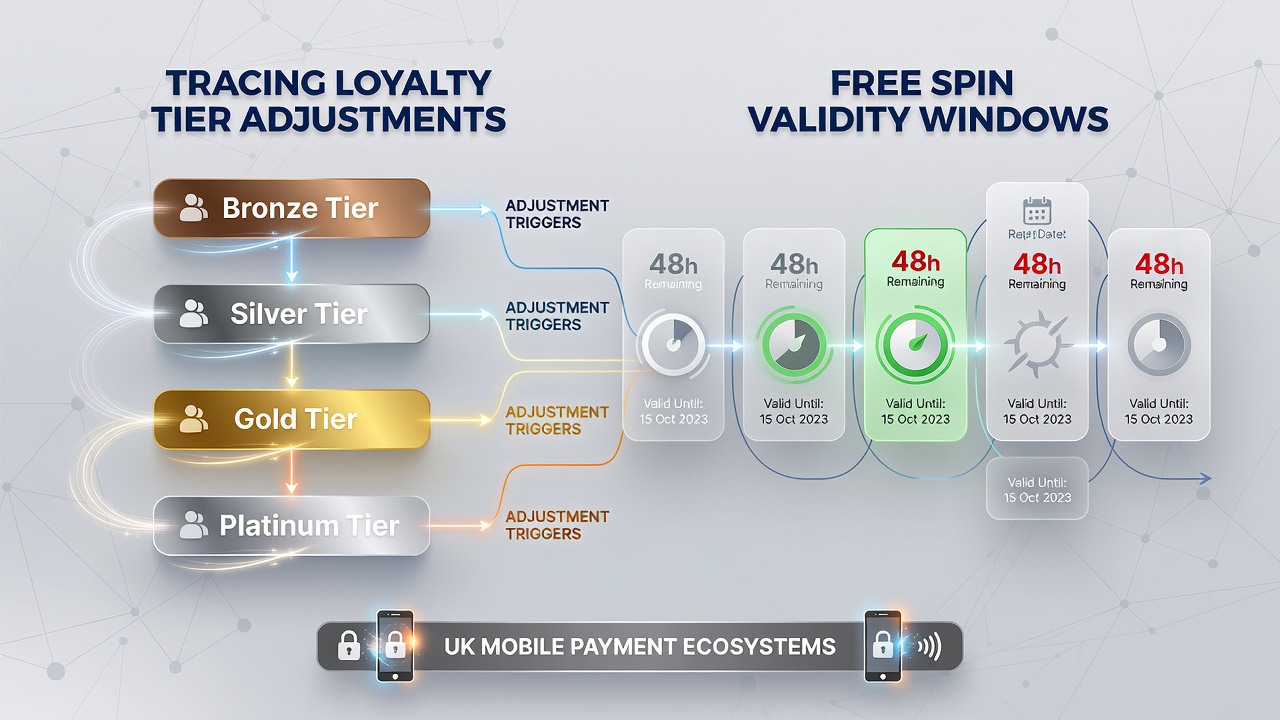
Observers note that loyalty tier adjustments continue to reshape free spin validity windows in UK mobile payment ecosystems, with changes tracked through transaction logs and platform data from October 2026 onward. Researchers track these shifts by examining how higher tiers extend or contract the time frames during which free spins remain active after mobile deposits complete, and data from payment processors indicate tighter integration between tier status and spin expiration rules across major operators.
Mapping Tier Structures to Validity Adjustments
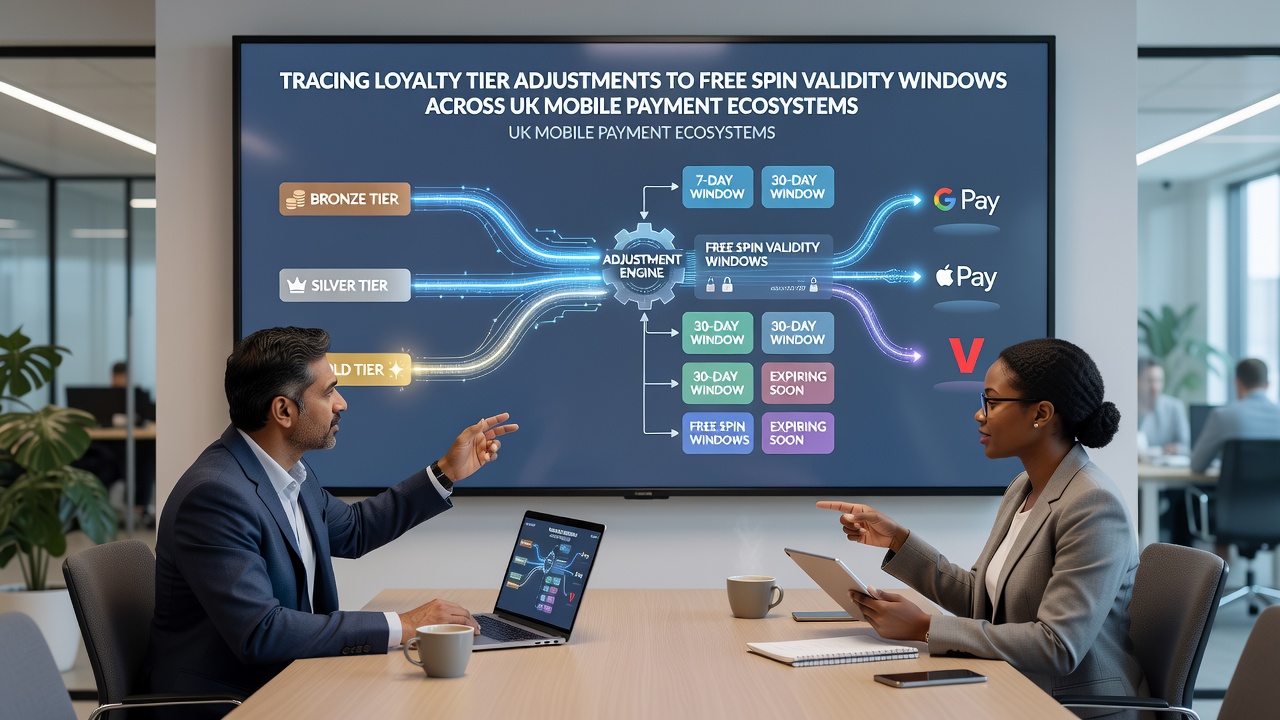
Payment ecosystems in the UK mobile space link loyalty tiers directly to free spin parameters, where entry-level users receive shorter validity periods compared to mid-tier and premium members who gain extended windows following successful transactions via Apple Pay or similar services. Studies from the International Gaming Institute reveal that these adjustments often align with deposit frequency and volume, creating patterns where mobile banking choices trigger automatic recalibrations in spin expiration dates.
Platform operators implement these rules through backend algorithms that monitor tier progression in real time, and figures from industry reports show that validity extensions occur most frequently when users upgrade tiers after a series of mobile payments completed within a single billing cycle. This setup allows systems to adjust windows dynamically without manual intervention, while maintaining consistency across different payment rails.
Payment Method Influences on Spin Lifecycles
Mobile payment methods introduce distinct variables into the validity equation, as instant confirmation via digital wallets tends to accelerate tier recognition and unlock longer free spin periods compared to traditional bank transfers that process over several hours. Analysts at the European Gaming and Betting Association have documented cases where users switching between contactless options and app-based transfers experience measurable differences in how quickly their tier benefits update the associated spin timelines.
Those who study these ecosystems observe that certain providers embed tier data into transaction metadata, enabling platforms to apply validity adjustments at the point of authorization rather than after settlement completes. In October 2026, updates to several wallet protocols further streamlined this process, reducing delays between payment confirmation and the activation of extended spin windows for qualifying users.
Patterns in Tier Progression and Window Extensions
Data indicates recurring patterns when loyalty tiers advance, with higher levels often granting validity periods that stretch from hours into days, particularly when mobile payments originate from verified accounts tied to the same ecosystem. Research from academic sources at the University of Nevada, Las Vegas highlights how these extensions correlate with reduced churn rates among users who receive the benefits promptly after tier upgrades.
Platform logs demonstrate that adjustments sometimes reset validity clocks upon tier confirmation, and observers note that this mechanism applies uniformly whether the payment flows through integrated banking apps or third-party mobile processors. Such resets prevent premature expiration for users who have just achieved new status, creating a buffer that aligns with the tier's intended advantages.
Regulatory and Technical Frameworks Shaping Adjustments
Technical standards enforced by payment networks require transparent logging of tier-related changes to validity windows, ensuring that all adjustments remain traceable through audit trails maintained by UK operators. Reports compiled by the Canadian Centre for Gaming Research illustrate similar approaches in other jurisdictions, where mobile payment integrations have prompted comparable updates to bonus lifecycle management.
October 2026 brought refinements to API specifications used by several wallet providers, and these changes facilitated smoother data exchange between payment systems and casino platforms, allowing validity windows to reflect tier status with greater precision. Experts tracking these developments point to reduced error rates in spin allocation following the updates.
Conclusion
Tracing loyalty tier adjustments to free spin validity windows across UK mobile payment ecosystems reveals interconnected systems where transaction speed, tier status, and platform rules converge to determine active periods. Evidence from multiple research bodies shows consistent application of these mechanisms, with ongoing technical refinements supporting accurate tracking into late 2026 and beyond. Data continues to accumulate as operators refine their approaches in response to evolving payment standards.