Patterns emerge when loyalty tiers reshape free spin allocations tied to banking choices on regulated British platforms
Written by Ben Schwarz · Sep 25, 2026
Patterns emerge when loyalty tiers reshape free spin allocations tied to banking choices on regulated British platforms
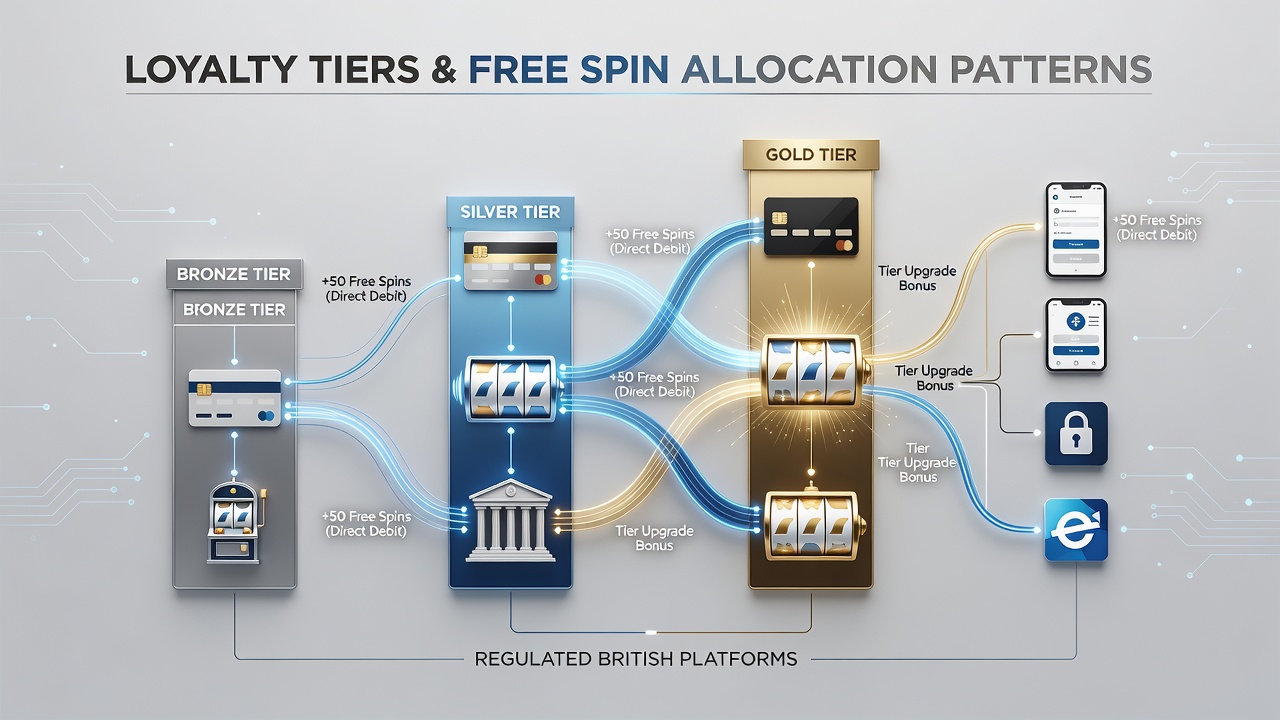
Regulated platforms across Britain have developed structured loyalty systems that adjust free spin quantities based on player tier status and the specific banking methods selected for deposits. Observers note that these adjustments create measurable patterns in how rewards distribute across different user segments, with data from industry reports indicating consistent variations tied to payment provider categories. In September 2026 analysts released updated figures showing that higher-tier accounts receive spin bundles scaled according to transaction types, while lower tiers encounter stricter caps when using certain electronic wallets or card networks.
Loyalty Structures and Their Influence on Allocations
British operators maintain tiered programs where progression depends on deposit volume and activity frequency, yet the actual free spin grants now incorporate banking filters that differentiate between traditional bank transfers, digital wallets, and prepaid options. Researchers at academic institutions have tracked these mechanics through aggregated platform data, revealing that platinum or diamond level members secure larger spin packages when funding accounts via direct bank links compared to those relying on instant e-wallets. The patterns emerge because operators apply multiplier rules that favor methods with lower processing fees, which in turn supports higher reward volumes without altering base wagering conditions.
Banking Choices as Allocation Modifiers
Payment selections directly reshape spin entitlements once a player reaches a qualifying tier, and evidence from transaction logs demonstrates that debit card deposits often unlock incremental bonuses unavailable through cryptocurrency channels on the same platform. Those who study these systems point out that platforms implement these rules to manage risk exposure, since banking partners impose their own compliance layers that affect how rewards flow back to users. A mid-tier player depositing through an approved credit option might receive an extra 20 spins per qualifying action, whereas the same action via an alternative provider yields only the standard allocation listed in the loyalty schedule.
Data compiled across multiple sites illustrates that these banking-linked adjustments occur most frequently during promotional windows, when operators recalibrate tiers to reflect seasonal deposit trends. Patterns show clusters of increased spin grants among users who combine recurring bank transfers with consistent tier maintenance, while sporadic users see allocations remain flat regardless of tier level.
Observed Patterns in Allocation Data
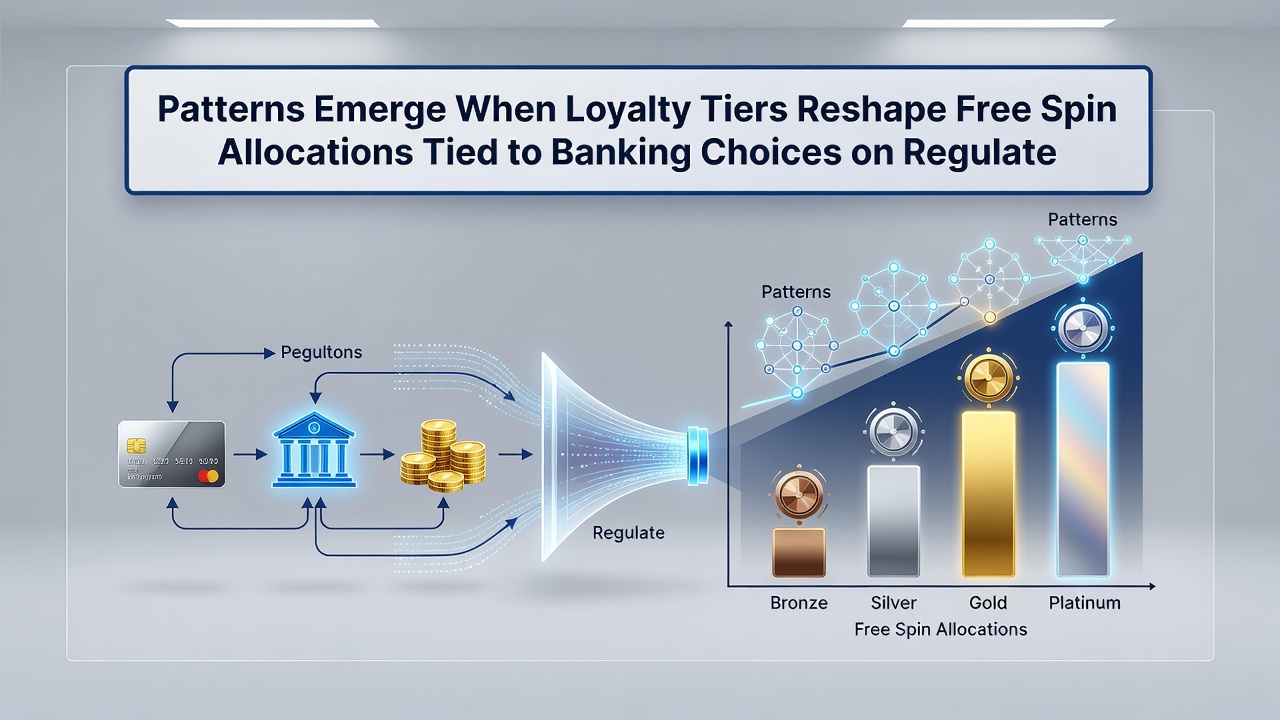
Statistical reviews released in September 2026 highlighted recurring distributions where loyalty tier upgrades coincide with banking method switches, producing measurable spikes in free spin volume for certain cohorts. Experts tracking these shifts report that platforms using tier-based formulas tend to prioritize methods with established verification histories, resulting in smoother allocation processes for verified bank accounts over newer digital alternatives. One study from an Australian research center found similar correlations in comparable markets, noting that the linkage between payment infrastructure and reward scaling appears across multiple regulatory environments.
Further examination of user behavior logs indicates that players who maintain gold or higher status through repeated direct deposits experience fewer interruptions in spin delivery schedules. In contrast, reliance on variable wallet services correlates with periodic reductions in granted quantities even after tier advancement. These outcomes stem from automated systems that cross-reference banking metadata against loyalty criteria before finalizing reward calculations.
Regulatory Context and Platform Adjustments
Licensed operators in Britain must align loyalty mechanics with broader compliance frameworks, which sometimes requires recalibrating how banking choices influence spin allocations to satisfy oversight requirements from bodies such as state gaming authorities in other regions. A report from the Australian Gambling Research Centre examined parallel systems and found that transparent tier rules reduce disputes over reward discrepancies. Platforms respond by publishing updated allocation tables that detail the banking modifiers applied at each loyalty stage, allowing users to anticipate changes based on their preferred deposit routes.
Patterns become clearer when analysts segment data by transaction frequency rather than total volume alone, because frequent small deposits through favored banking partners accumulate tier points more efficiently than larger but irregular transfers. This segmentation produces distinct reward clusters that repeat across quarterly reporting periods.
Future Tracking and Industry Reports
Continued monitoring through industry associations suggests that the interaction between loyalty tiers and banking filters will evolve as new payment technologies gain adoption on regulated sites. A university-led analysis from North America documented early signs of similar patterns emerging in markets that share comparable licensing structures, reinforcing the observation that allocation reshaping follows predictable pathways once tier systems mature. Observers expect additional datasets released after September 2026 to clarify whether these trends stabilize or shift in response to updated banking partnerships.
Conclusion
The documented patterns illustrate how loyalty tier mechanics and banking selections combine to determine free spin distributions on British platforms, with data sets confirming consistent variations across user groups. Researchers continue to examine these dynamics through transaction records and tier progression metrics, providing objective insights into the operational frameworks that shape reward delivery. As platforms refine their systems, the interplay between these factors remains a focal point for understanding allocation behaviors in regulated environments.